<

Results 1 to 3 of 3

Thread: ÇáãÕÇÆÏ ÇáäÝØíÉ

  1. #1

    ÇáãÕÇÆÏ ÇáäÝØíÉ

    ÇáãÕíÏÉ åí äÓÞ åäÏÓí ááØÈÞÇÊ ÇáÑÓæÈíÉ íÓãÍ ááÈÊÑæá Ãæ ÇáÛÇÒ Ãæ áßáíåãÇ ÈÇáÊÌãÚ Ýíå ÈßãíÇÊ ÇÞÊÕÇÏíÉ¡ æíÍæá Ïæä åÑæÈåãÇ ãäåÇ¡ æíÊÎÐ åÐÇ ÇáäÓÞ ÇáØÈÞí ÇáåäÏÓí ÃÔßÇáÇð ÚÏÉ¡ áßä ÊÙá ÇáÓãÉ ÇáÑÆíÓíÉ ááãÕíÏÉ åí æÌæÏ ÕÎÑ ãÓÇãí ãÛØì ÈÕ뾄 ÍÇÈÓÉ ÛíÑ ãäÝÐÉ. æíÚÏ ÇáãÇÁ ÚÇãáÇð ÃÓÇÓíÇð Ýí ÊæÌíå ÇáÈÊÑæá æÇáÛÇÒ Åáì ÇáãÕíÏÉ Ýí ÃÛáÈ ÇáÍÇáÇÊ¡ ãËáãÇ íÓÇÚÏ Ýí ÅÒÇÍÉ ÇáÈÊÑæá æÇáÛÇÒ Åáì ÝÊÍÇÊ ÇáÂÈÇÑ Ýí ãÑÍáÉ ÇáÅäÊÇÌ¡ æåßÐÇ... Êßæä ÇáãÕíÏÉ ÈÄÑÉ ÊÈÇÏá äÔØ ááÓæÇÆá.
    æíÓãì ÇáÌÒÁ ÇáãäÊÌ ãä ãÕíÏÉ ÇáÈÊÑæá ÈäØÇÞ ÇáÚØÇÁ Pay zone¡ æíÎÊáÝ Óãßå ãä ãÊÑíä Ýí ÈÚÖ ÍÞæá æáÇíÉ ÊßÓÇÓ ÈÇáæáÇíÇÊ ÇáãÊÍÏÉ ÇáÃãÑíßíÉ Åáì ãÆÇÊ ÇáÃãÊÇÑ Ýí ÍÞæá ÈÍÑ ÇáÔãÇá æÇáÔÑÞ ÇáÃæÓØ. æãÚ Ðáß áíÓ ÖÑæÑíÇ Ãä ÊäÊÌ ßá ßãíÉ ÇáÈÊÑæá Ýí "äØÇÞ ÇáÚØÇÁ ÇáÅÌãÇáí"¡ æáÐÇ äãíÒ Èíäå æÈíä "ÇáÚØÇÁ ÇáÕÇÝí" ÇáÐí íãËá ÇáÓãß ÇáÚãæÏí ÇáÊÑÇßãí ááãßãä ÇáãäÊÌ ááÈÊÑæá. æÝí ÊØæíÑ Ãí ãßãä ÈÊÑæáí áÇ ÈÏ ãä ÊÍÏíÏ äÓÈÉ ÇáãäÊÌ ÇáÕÇÝí Åáì ÇáãäÊÌ ÇáÅÌãÇáí Ýí ÇáÍÞá. æíãßä ÅäÊÇÌ ÇáÈÊÑæá ãä ÎØ ãÓÊæì Spill Plane ÍÊì ÞÑÈ ÇáåÇãÉ Crest æåí ÃÚáì äÞØÉ Ýí ÇáãÕíÏÉ.
    æãä Çáããßä Ãä ÊÍÊæí ÇáãÕíÏÉ Úáì ÇáÈÊÑæá Ãæ ÇáÛÇÒ Ãæ ßáíåãÇ¡ æíãËá ÓØÍ ÊãÇÓ ÇáÈÊÑæá æÇáãÇÁ Oil Water Contact-OWC ÃÚãÞ ãÓÊæì áÅäÊÇÌ ÇáÈÊÑæá¡ ÈíäãÇ íÚÊÈÑ ÓØÍ ÊãÇÓ ÇáÛÇÒ æÇáÈÊÑæá Gas Oil Contact-GOC ÃÏäì ãÓÊæì áÅäÊÇÌ ÇáÛÇÒ¡ æãä ÇáÖÑæÑí ÊÍÏíÏ åÐíä ÇáÓØÍíä ÈÏÞÉ ÞÈá ÍÓÇÈ ÇÍÊíÇØí ÇáÈÊÑæá æÇáÛÇÒ ÇáØÈíÚí Ýí Çáãßãä æÊÞÏíÑ ãÚÏá ÇáÅäÊÇÌ.
    æãä ÃÝÖá æÃÍÏË ÊÕäíÝÇÊ ãÕÇÆÏ ÇáÈÊÑæá ÐÇÊ ÇáÌÏæì ÇáÇÞÊÕÇÏíÉ ãÇ ÞÏãå Óíáí ÚÇã 1985 ÝÅÐÇ ÈÏÃäÇ ÈÇáãÕÇÆÏ ÇáÊÑßíÈíÉ ÇáÊí ÊäÔà ÈÝÚá ÊÛííÑÇÊ ÊßÊæäíÉ Ãæ ÈäÇÆíÉ Tectonic ááÕ뾄 ÇáÑÓæÈíÉ äÌÏåÇ ÊÔãá ãÕÇÆÏ ÇáØí ÇáãÍÏÈÉ¡ æãÕÇÆÏ ÇáÕÏæÚ. æÊÚÏ ãÕÇÆÏ ÇáØí ÇáãÍÏÈÉ ÇáÊÖÇÛØíÉ ÃßËÑ ÃäæÇÚ ÇáãÕÇÆÏ ÔíæÚÇð ¡ æÊÊßæä ÈÝÚá ÊÞÇÕÑ ÞÔÑÉ ÇáÃÑÖ Crustal Shortening¡ æãä ÃãËáÊåÇ ÍÞæá ÇáÈÊÑæá Ýí ÌäæÈ ÛÑÈ ÅíÑÇä¡ ÇáÊí ÊÔãá 16 ÍÞáÇ ÚãáÇÞÇ ÚäÏ ÓÝæÍ ÌÈÇá ÒÇÌÑæÓ ÈÇáÞÑÈ ãä ãäØÞÉ ÇäÏÓÇÓ ÇáÕÝíÍÉ ÇáÚÑÈíÉ ÊÍÊ ÇáÕÝíÍÉ ÇáÅíÑÇäíÉ¡ æßÐáß ãÕÇÆÏ ÚÏíÏÉ Ýí ÇáÌÇäÈ ÇáÛÑÈí ãä ÇáÎáíÌ ÇáÚÑÈí¡ ÊÊãíÒ ÈÃÌäÇÈ ÐÇÊ ÇäÍÏÇÑ ÎÝíÝ ááØíÇÊ ÇáãÍÏÈÉ ÇáÚÑíÖÉ¡ æÊäÊÔÑ Ýí ÍÞæá ÇáÈÊÑæá ÔÑÞí ÇáããßáÉ ÇáÚÑÈíÉ ÇáÓÚæÏíÉ¡ æÃåãåÇ ÍÞæá ÇáÛæÇÑ¡ ÃÈÞíÞ¡ ÇáÓÝÇäíÉ¡ æÇáÎÝÌí. ÃãÇ ãÕÇÆÏ ÇáØí ÇáãÍÏÈÉ ÇáãÍßãÉ ÝÞÏ ÊßæäÊ ÈÝÚá ÇÓÊÌÇÈÉ ÇáØÈÞÇÊ ÇáÑÓæÈíÉ áÔÏ ÞÔÑÉ ÇáÃÑÖ Crustal Tension ãÇ ÃÏí Åáì ÊÔßíá ÍæÖ ÑÓæÈí¡ Èå ØíÇÊ ãÍÏÈÉ ÝæÞ ãÑÊÝÚÇÊ ÊßæäÊ Ýí ÇáÚãÞ Deep Seated Horsts.
    æÊÞæã ÇáÕÏæÚ È쾄 ãåã æãÈÇÔÑ Ýí Êßæíä ÇáãÕÇÆÏ¡ ÚäÏãÇ ÊÄÏí Åáì ÊÛííÑ Ýí ÊÑÊíÈ ÇáØÈÞÇÊ¡ æÊÚÊÑÖ ØÈÞÉ ÛíÑ ãÓÇãíÉ æÛíÑ ãäÝÐÉ åÌÑÉ ÇáÈÊÑæá "æÊÕØÇÏå" ¡ ßãÇ ÞÏ íßæä ááÕÏÚ ÏæÑ ÛíÑ ãÈÇÔÑ Ýí ÇÕØíÇÏ ÇáÈÊÑæá¡ ÈÃä íÔÊÑß Ýí Ðáß ãÚ ÙæÇåÑ ÊÑßíÈíÉ ÃÎÑì¡ ãËá ÇáØí Ãæ ÊÛííÑ ÇáäÝÇÐíÉ. æÞÏ íßæä ÓØÍ ÊãÇÓ ÇáÛÇÒ æÇáÈÊÑæá ãÊÕáÇ Ýí ÇáãÕíÏÉ ÇáãÍÏÈÉ ÇáãÊÃËÑÉ ÈÈÚÖ ÇáÕÏæÚ¡ æÚäÏÆÐ íßæä ÚäÕÑ ÇáÇÕØíÇÏ ÇáÑÆíÓí åæ ÇáØí¡ Ãæ ÛíÑ ãÊÕá Ýíßæä ÇáÕÏÚ åæ ÇáÚÇãá ÇáÑÆíÓí Ýí Êßæíä ÇáãÕíÏÉ¡ Ãæ Êßæä ÇáØíÉ ÇáãÍÏÈÉ ÞÏ ÊÃËÑÊ ÈÇáÕÏÚ ÝÇäÝÕá ÇáÊÌãÚ ÇáÈÊÑæáí ÈåÇ Åáì ÃÌÒÇÁ.
    æÊÊßæä ãÕÇÆÏ ÇáÇÎÊÑÇÞ ÇáÞÈæí äÊíÌÉ ÊÍÑß ßÊá ãä ÇáãáÍ Ãæ ÇáØíä Åáì ÃÚáì¡ æíäÏÑ æÌæÏ ÇáÞÈÇÈ ÇáØíäíÉ¡ áßä ÇáÞÈÇÈ ÇáãáÍíÉ ÙÇåÑÉ ÌíæáæÌíÉ ãäÊÔÑÉ¡ æåí ÊÊßæä äÊíÌÉ ÇÎÊáÇÝ ßËÇÝÊí ÇáãáÍ æÇáØÈÞÉ ÇáÑÓæÈíÉ ÇáÊí ÊÚáæå¡ ÝÇáãáÍ ÃÞá ßËÇÝÉ¡ æãä Ëã íäÏÝÚ Åáì ÃÚáì¡ æíÊÓÈÈ Ýí "ÊÞÈÈ" ÇáØÈÞÇÊ ÇáÑÓæÈíÉ ÇáÊí ÊÚáæå¡ ÝÅÐÇ æÌÏ ÈåÇ ÇáÈÊÑæá ÝÅäå íÊÍÑß äÍæ ÇáÌæÇäÈ ÇáÎÇÑÌíÉ ááØÈÞÉ ÇáãáÍíÉ¡ æíäÍÕÑ Èíä ÇáØÈÞÇÊ ÇáÑÓæÈíÉ ãä ÌåÉ æÇáÞÈÉ ÇáãáÍíÉ ãä ÌåÉ ÃÎÑì. æíÄÏí Çáäãæ ÛíÑ ÇáãäÊÙã ááÞÈÇÈ ÇáãáÍíÉ Åáì Êßæíä ãÕÇÆÏ ãÊÚÏÏÉ ãÊÊÇáíÉ æãÊäæÚÉ ßãÇ Ýí ÍÞá ÇáÏãÇã. æÃåã ÃÓÈÇÈ Êßæíä ãÕÇÆÏ ÇáÞÈÇÈ ÇáãáÍíÉ åí ÇäÏÝÇÚ ÛÇÒÇÊ ãÕÇÍÈÉ áäÔÇØ ÈÑßÇäí¡ íäÊÌ ÚäåÇ ÊÑÓíÈ ÇáÃãáÇÍ ãä ÇáãÍÇáíá ÇáãÇÆíÉ¡ Ëã ÇäÏÝÇÚ ÇáßÊá ÇáãáÍíÉ Åáì ÃÚáì¡ Ãæ ÕÚæÏ ÇáãÍÇáíá ÇáãáÍíÉ ÇáÍÇÑÉ Åáì ÃÚáì ãä ÎáÇá ËÛÑÇÊ ÖÚíÝÉ Ýí ÇáØÈÞÇÊ¡ Ëã ÇäÎÝÇÖ ÏÑÌÇÊ ÍÑÇÑÊåÇ ÊÏÑíÌíÇ ãÓÈÈÉ ÊÑÓíÈ ÇáãáÍ¡ æÊÒÇíÏ ßãíÊå æÍÌãå ÊÏÑíÌíÇ¡ äÊíÌÉ ÇÓÊãÑÇÑ ÚãáíÇÊ ÇáÊÈÑíÏ Crystallization æÇáÊÈáæÑ¡ ãÇ íÄÏí Åáì ÇÎÊÑÇÞ ÇáÞÈÇÈ ÇáãáÍíÉ ááØÈÞÇÊ ÇáÑÓæÈíÉ ÇáÊí ÊÚáæåÇ æÊæÛáåÇ ÝíåÇ.
    æÇáäæÚ ÇáËÇáË ãä ãÕÇÆÏ ÇáÈÊÑæá åæ ÇáØÈÞíÉ ãäåÇ¡ ÇáÊí ÊÊßæä äÊíÌÉ ÊÛííÑÇÊ ÌÇäÈíÉ ãä ÍíË ÇáÓãÇÍíÉ æÇáäÝÇÐíÉ Ýí Õ뾄 Çáãßãä Ãæ ÚÏã ÇÓÊãÑÇÑíÊåÇ¡ æÝí åÐÇ ÇáäæÚ íßæä ÊãÇÓ ÇáÕ뾄 ÇáãÎÊáÝÉ ÍÇÏÇð Ãæ ÊÏÑíÌíÇ æãÊæÇÝÞÇ. æãä Ãåã ÇáãÕÇÆÏ ÇáØÈÞíÉ Êáß ÇáÊí íÍÇØ ÝíåÇ ÕÎÑ Çáãßãä ÇáãäÝÐ ÈÂÎÑ ÛíÑ ãäÝÐ ãËá ÇáØÝá ÇáÕÝÍí¡ æÈÐáß íßæä ÇáÊÛíÑ Ýí ÇáäÝÇÐíÉ ÃÓÇÓ Êßæíä ÇáãÕíÏÉ .
    æÊÞÓã ÇáãÕÇÆÏ ÇáØÈÞíÉ Åáì ãÕÇÆÏ ÛíÑ ãÕÇÍÈÉ áÓØÍ ÚÏã ÊæÇÝÞ¡ æÃÎÑì ãÕÇÍÈÉ áÓØÍ ÚÏã ÊæÇÝÞ¡ æåäÇß äæÚÇä ãä ÇáãÕÇÆÏ ÇáÈÊÑæáíÉ ÛíÑ ÇáãÕÇÍÈÉ áÓØÍ ÚÏã ÊæÇÝÞ¡ åãÇ ÇáãÕÇÆÏ ÇáÊÑÓíÈíÉ æÇáãÕÇÆÏ ÇáÈíä ÊßæíäíÉ. æÇáãÕÇÆÏ ÇáÊÑÓíÈíÉ ÈÏæÑåÇ ÅãÇ ãÕÇÆÏ ÊÑÞíÞ Pinch-out¡ Ãæ ãÕÇÆÏ ÔÚÈ ãÑÌÇäíÉ. ÝÚäÏãÇ íÊÖÇÁá Óãß ÞØÇÚ Óãíß ãä Õ뾄 ÐÇÊ ãÓÇãíÉ æäÝÇÐíÉ¡ æíÏãÌ åÐÇ ÇáÞØÇÚ Ýí ÕÎÑ Øíäí ÛíÑ ãäÝÐ íÊã ÇÕØíÇÏ ÇáÈÊÑæá Ýí ÇáÌÒÁ ÇáãÓÇãí æÇáãäÝÐ ãä ÇáÞØÇÚ. æÝí ãÕÇÆÏ ÇáÔÚÇÈ ÇáãÑÌÇäíÉ ÊÍÇØ ÃÍÌÇÑ ÇáÌíÑ ÇáãÑÌÇäíÉ ÐÇÊ ÇáãÓÇãíÉ æÇáäÝÇÐíÉ ÈÕ뾄 ÛíÑ ãäÝÐÉ¡ æãä ÇáÔÚÇÈ ÇáãÑÌÇäíÉ ÃäæÇÚ ãÓÊÏíÑÉ¡ æÃÎÑì ãÓÊØíáÉ íÈáÛ ØæáåÇ ãÆÇÊ ÇáÃãíÇá¡ æÚÑÖåÇ ÈÖÚÉ ÃãíÇá ãËá ÍÞá ßÑßæß ÈÔãÇá ÇáÚÑÇÞ.

    æãÕÇÆÏ ÇáÞäæÇÊ Channels ÚÈÇÑÉ Úä æÓØ ÈíÆí áäÞá ÇáÑãÇá Úáì Ôßá ÞäæÇÊ ØæíáÉ ÐÇÊ ãÓÇãíÉ æäÝÇÐíÉ ÚÇáíÉ¡ íÊã ÇÕØíÇÏ ÇáÈÊÑæá æÇáÛÇÒ ÝíåÇ. ÃãÇ ãÕÇÆÏ ÇáÍæÇÌÒ Barrier Bar Traps Ýåí ßÊá ÑãáíÉ Ãæ ãä ÇáÒáØ æÇáÍÕì¡ æÊÙåÑ ÛÇáÈÇ ÈÔßá ÌÒíÑÉ Úáì ÇáÔÇØÆ¡ æÑãÇáåÇ ÛÇáÈÇð äÙíÝÉ æÌíÏÉ ÇáÊÕäíÝ Well-sorted. æåäÇß ÍæÇÌÒ ÑãáíÉ ãØæÞÉ ÈØíä ÕÝÍí ÈÍÑí¡ Ãæ Øíä ÕÝÍí ãä ÈÍíÑÇÊ ÔÇØÆíÉ¡ Êßæä ãÕÇÆÏ äÝØíÉ.

    æãä ÇáÚãáíÇÊ ÇáÈíä ÊßæíäíÉ ÏæÑ ÇáÓæÇÆá Ýí ÅÐÇÈÉ Õ뾄 Çáãßãä áÊßÓÈåÇ ãÓÇãíÉ ËÇäæíÉ¡ Ãæ 쾄 ÇáãÍÇáíá ÇáÛäíÉ ÈÇáãÚÇÏä Ýí ÚãáíÉ ÇáÊÓãíÊ Cementation¡ ÇáÊí ÊßÇÏ ÊÄÏí Åáì ÊÏãíÑ ãÓÇãíÉ ÇáÎÒÇä ÇáÈÊÑæáí. æíãßä Ãä ÊÄÏí åÐå ÇáÚãáíÇÊ Åáì Êßæíä ãÕíÏÉ ÈÊÑæáíÉ ÅÐÇ ÇÚÊÑÖ äØÇÞ ãÓãäÊ ØÑíÞ ÈÊÑæá Ãæ ÛÇÒ íÊÍÑß Åáì ÃÚáì Ýí ØÈÞÉ ãäÝÐÉ. ßÐáß íãßä ÇÕØíÇÏ ÇáÈÊÑæá Ãæ ÇáÛÇÒ Ýí äØÇÞ ãÚíä ÈÓÈÈ äÔæÁ ãÓÇãíÉ ËÇäæíÉ Ýí ÍíÒ ãÍáí Ýí Õ뾄 ãÓãäÊÉ¡ æÞÏ ÊÊÓÈÈ ÚãáíÉ "ÇáÊÏáãÊ" Dolomitization Ýí Êßæíä ãÕÇÆÏ äÝØíÉ Èíä ÊßæíäíÉ ÛíÑ ãäÊÙãɺ áÃä ÇáÏæáæãíÊ íÔÛá ÍíÒÇ ÝÑÇÛíÇ ÃÞá ãä ÇáÍÌã ÇáÃÕáí ÇáÐí ßÇä íÔÛáå ÇáÍÌÑ ÇáÌíÑí.

    ÃãÇ ÇáãÕÇÆÏ ÇáãÕÇÍÈÉ áÓØÍ ÚÏã ÊæÇÝÞ ÝÊäÔà äÊíÌÉ ÚãáíÇÊ ÊÂßá Erosion ÊÄÏí Åáì Êßæíä ÓØÍ ÚÏã ÊæÇÝÞ íÝÕá Èíä Õ뾄 ãäÝÐÉ æÕ뾄 ÛíÑ ãäÝÐÉ¡ æÚäÏÆÐ íÊã Êßæíä ãÕíÏÉ ÇáÈÊÑæá Ýí ÇáÕ뾄 ÇáãäÝÐÉ ÃÚáì ÓØÍ ÚÏã ÇáÊæÇÝÞ Ãæ ÃÓÝáå.

    æÇáäæÚ ÇáÑÇÈÚ åæ ãÕÇÆÏ ÇáÈÊÑæá ÇáåíÏÑæÏíäÇãíßíÉ ÍíË ÊÞæã ÞæÉ ÇáãÇÁ È쾄 ÃÓÇÓí Ýí ãäÚ ÇáÈÊÑæá ãä ÇáÊÍÑß Ýí ÇÊÌÇå ÃÚáì Çáãíá Ýí ÇáØÈÞÉ ÇáÑÓæÈíÉ¡ ÅÐ íÚÊÑÖ ÇáãÇÁ ÇáãÊÍÑß åíÏÑæÏíäÇãíßíÇ Ýí ÇÊÌÇå ÃÓÝá Çáãíá ÇáÓæÇÆá ÇáÈÊÑæáíÉ ÇáÕÇÚÏÉ Åáì ÃÚáì ÚäÏãÇ Êßæä ÇáÞæÉ ÇáåíÏÑæÏíäÇãíßíÉ ááãÇÁ ÃßÈÑ ãä ÇáÞæÉ ÇáäÇÊÌÉ ãä ÞÇÈáíÉ ØÝæ ÞØÑÇÊ ÇáÈÊÑæá Ýí ÇáãÇÁ Buoyancy¡ æÈÐáß íãäÚ ÇáãÇÁ ÊÍÑß ÇáÈÊÑæá áÃÚáì¡ ãÇ íãßøöä ãä ÇÕØíÇÏå Ïæä ÇáÍÇÌÉ Åáì æÌæÏ ÍÇÌÒ ÛíÑ ãäÝÐ .

    æÇáäæÚ ÇáÎÇãÓ åæ ãÕÇÆÏ ÇáÈÊÑæá ÇáãÑßÈÉ ÇáÊí ÊÊßæä ãä ÚäÕÑ ØÈÞí äÔà Úä æÌæÏ ÍÇÝÉ ÝÇÕáÉ Èíä ØÈÞÇÊ ãäÝÐÉ æÃÎÑì ÛíÑ ãäÝÐÉ¡ æÚäÕÑ ÊÑßíÈí äÊÌ Úä ÍÑßÇÊ ÈäÇÆíÉ ááÞÔÑÉ ÇáÃÑÖíÉ ÊÓãì ÈÇáÍÑßÇÊ ÇáÊßÊæäíÉ. æãä ÃãËáÊåÇ ÇÕØíÇÏ ÇáÈÊÑæá Ýí ãæÇÌåÉ ÕÏÚ Fault ¡ æåæ ÚäÕÑ ÊÑßíÈí¡ Ýí ØÈÞÉ ÑãáíÉ ÃÍÇØÊ ÍæÇÝåÇ ØÈÞÉ ÛíÑ ãäÝÐÉ ÊãËá ÚäÕÑÇ ØÈÞíÇ¡ æãÕíÏÉ ØÈÞíÉ ãÕÇÍÈÉ áÓØÍ ÚÏã ÊæÇÝÞ Êã ØíåÇ áÇÍÞÇ . æÊÚØí ÇáãÕÇÆÏ ÇáãÊÚÏÏÉ ÇáÊí íæÇßÈ ÊßæíäåÇ äÔæÁ ÇáÞÈÇÈ ÇáãáÍíÉ ÃãËáÉ áßá ÃäæÇÚ ãÕÇÆÏ ÇáÈÊÑæá ãä ÊÑßíÈíÉ Ãæ ØÈÞíÉ Ãæ ãÑßÈÉ.

    æäÔíÑ ÃÎíÑÇð Åáì Êáß ÇáÃÔßÇá ÇáåäÏÓíÉ ÇáÊí ÊãËá ãÕÇÆÏ ãÍÊãáÉ ááÛÇÒ Ãæ ÇáÈÊÑæá æáßäåÇ ÎÇæíÉ ãäåãÇ¡ æÃÍíÇäÇ ÊÚáæåÇ Ãæ ÊÈØäåÇ ØÈÞÇÊ ÍÇãáÉ ááãíÇå ÇáÌæÝíÉ ÎÇáíÉ ãä ÂËÇÑ ÇáÈÊÑæá. æÞÏ íÍÏË Ðáß äÊíÌÉ áÇÕØíÇÏ ÇáÑæÇÓÈ ÇáÈÊÑæáíÉ ÞÈá æÕæáåÇ ááãÕÇÆÏ ÇáÎÇæíÉ¡ Ãæ áÃäåÇ áã ÊãÑ Úáì Êáß ÇáãÕÇÆÏ¡ Ãæ áÚÏã ÊæÝÑ Õ뾄 ãÕÏÑ ãäÇÓÈÉ Ýí ÃãÇßä æÌæÏ ÇáãÕÇÆÏ ÇáÎÇæíÉ.

    ãÑÇÍá ÇáÅäÊÇÌ æÊäãíÉ ÇáÍÞæá
    íÚÏ ÇáÍÝÑ ÇáæÓíáÉ ÇáæÍíÏÉ ááÊÃßÏ ãä æÌæÏ ãÕíÏÉ ÇáÈÊÑæá¡ ãÇ íÊØáÈ ÇáÏÞÉ Ýí ÇÎÊíÇÑ ãæÇÞÚ ÍÝÑ ÂÈÇÑ ÇáÇÓÊßÔÇÝ æÊÞæíã ÇáÍÞá¡ ßãÇ Ãä ÇáÍÝÑ íÍÏÏ ÊÊÇÈÚ ÇáØÈÞÇÊ ÇáÊí íÌÑí ÇÎÊÑÇÞåÇ æÓãßåÇ æÕÝÇÊåÇ æÇãÊÏÇÏåÇ ÇáÃÝÞí¡ æíÚÏ ãåãÇ Ýí ÊÍÏíÏ ÍÌã ÇáÈÊÑæá ÇáãÎÒæä Ýí ÇáÈÆÑ æÅäÊÇÌíÊå ÇáãÊæÞÚÉ¡ æãÚÏá ÇáÇÓÊÎáÇÕ ÇáãäÊÙÑ ÇáÐí íÑÊÈØ ÈäæÚ ãßãä ÇáÈÊÑæá¡ æØÇÞÊå ÇáØÈíÚíÉ ÇáÊí ÊÄÏí Åáì ÊÏÝÞ ÇáÒíÊ æÇáÛÇÒ Ýí ÊÌæíÝ ÇáÈÆÑ¡ æßáåÇ ÊÚÏ ãÄÔÑÇÊ ÚãáíÉ Úáì ÇáÌÏæì ÇáÇÞÊÕÇÏíÉ æÇáÝäíÉ áÍÞá ÇáÈÊÑæá. æíÊÍÏÏ ãæÞÚ æÚãÞ ÇáÈÆÑ ØÈÞÇ áäæÚåÇ ÓæÇÁ ßÇäÊ ÇÓÊßÔÇÝíÉ¡ Ãæ ãÓÇäÏÉ ÊÍÝÑ ááÍÕæá Úáì ãÒíÏ ãä ÇáãÚáæãÇÊ ÇáÌíæáæÌíÉ¡ Ãæ áÊØæíÑ ÍÞæá ÇáÈÊÑæá.

    æíÌÑí ØÈÞÇ áäæÚíÇÊ Õ뾄 ÇáØÈÞÇÊ¡ æØÈíÚÉ ÊãÇÓåÇ ÓæíÇ¡ æÊÞÏíÑÇÊ ÇáÓãß ÇáÊÞÑíÈí¡ ÇáÊÍÏíÏ ÇáãÈÏÆí áÚãÞ ÇáÂÈÇÑ¡ æÃÞØÇÑ æÃØæÇá ãÞÇØÚ ÇáÍÝÑ¡ æÃäæÇÚ ÃäÇÈíÈ ÇáÊÈØíä ÇáÊí íÊã ÅäÒÇáåÇ ÈÚÏ ÇáÇäÊåÇÁ ãä ÍÝÑ åÐå ÇáãÞÇØÚ¡ æÃäæÇÚ Øíä ÇáÍÝÑ ÇáãÓÊÎÏã Ýí ßá ãÞØÚ. æÞÈá ÇáÍÝÑ ÊÍÏÏ ÇáÞíÇÓÇÊ ÇáãØáæÈÉ ãä ßåÑÈÇÆíÉ æÅÔÚÇÚíÉ æÕæÊíÉ æÍÑÇÑíÉ¡ æÃÚãÇÞåÇ¡ æÇáãÞÇØÚ ÇáãØáæÈ ÇÎÊÈÇÑåÇ æÃÎÐ ÇáÚíäÇÊ ãäåÇ¡ ÓæÇÁ ßÇäÊ ãä ÇáÕ뾄 ÇáÝÊÇÊíÉ ÇáãÌÑæÔÉ Ãæ ãä ÇááÈÇÈ Ãæ ÇáÓæÇÆá¡ áÊÍÏíÏ äæÚíÇÊ ÇáÕ뾄 æãÓÇãíÊåÇ æäÝÇÐíÊåÇ¡ Åáì ÌÇäÈ ÇÎÊíÇÑ ãÇäÚÇÊ ÇáÇäÝÌÇÑ ÇáÊí ÊÑßÈ Úáì ÝæåÉ ÇáÈÆÑ.
    æÞÏ ÊØæÑÊ ÊßäæáæÌíÇ ÍÝÑ ÇáÂÈÇÑ áÊÕá ÃÚãÇÞåÇ Åáì ÂáÇÝ ÇáÃãÊÇÑ¡ æÇÈÊßÑ ÇáÍÝÑ ÇáÊæÑÈíäí ÈÚÏ Ãä ÇÓÊãÑ ÇáÍÝÑ ÇáÑÍæí ØæíáÇ¡ æÇÓÊÍÏËÊ ÚãáíÇÊ ÇáÍÝÑ ÇáÃÝÞí ÇáÐí íãÊÇÒ Úä ÇáÍÝÑ ÇáÚãæÏí ÈÅãßÇäíÉ ÊÌÇæÒ ßËíÑ ãä ÇáÚÞÈÇÊ ÇáØÈíÚíÉ æÇáÚãÑÇäíÉ ááæÕæá Åáì ãßÇãä ÇáÈÊÑæá ãÍÏæÏÉ ÇáÓãß æÞáíáÉ ÇáäÝÇÐíÉ. æÊÍÝÑ ÈÆÑ ÇáÈÊÑæá ÚÇÏÉ ÈÞØÑ äÍæ ËáÇËíä ÈæÕÉ ÚäÏ ÓØÍ ÇáÃÑÖ¡ Ëã íÊäÇÞÕ ÞØÑåÇ ÊÏÑíÌíÇ ßáãÇ ÊÚãÞÊ ÇáÈÆÑ Åáì ÃÓÝá¡ ÍÊì íÕá Åáì ÍæÇáí ÃÑÈÚ ÈæÕÇÊ ÚäÏ ÞÇÚ ÇáÈÆÑ.


    æÅÐÇ ßÇä ÇáÍÝÑ ÈÇáÏÞ¡ ÊõÝÊÊ ÇáÕ뾄 æÊÍÝÑ ÇáÈÆÑ ÈÑÝÚ æÅÓÞÇØ ÚãæÏ ÇáÍÝÑ æÇáÏÞÇÞÉ ÇáãÑÊÈØÉ Èå¡ æÅÎÑÇÌ ÇáÝÊÇÊ ÃæáÇ ÈÃæá Ýí ÚãáíÉ ÈØíÆÉ¡ íßÊäÝåÇ ÞÏÑ ßÈíÑ ãä ÇáÎØæÑÉ ÚäÏ ÇáæÕæá Åáì ØÈÞÉ ÈÊÑæáíÉ Ãæ ÛÇÒíÉ ÐÇÊ ÖÛØ ÚÇá. æÝí ÇáÍÝÑ ÇáÏæÑÇäí Ãæ ÇáÑÍæí ÊõÝÊÊ ÇáÕ뾄 ÈÏæÑÇä ÇáÏÞÇÞÉ ãÚ ÚãæÏ ÇáÍÝÑ¡ æÊÍÊ ÊÃËíÑ ÇáËÞá ÇáæÇÞÚ Úáì ÇáÏÞÇÞÉ ãä ÞÈá ÇáÃäÇÈíÈ ÇáËÞíáÉ ÇáÊí ÊÔßá ÌÒÁÇ ãä ÚãæÏ ÇáÍÝÑ¡ æíÌÑí ÇáÊÎáÕ ãä ÝÊÇÊ ÇáÕ뾄 Úä ØÑíÞ ÖÎ Øíä ãÚíä Ýí ÃäÇÈíÈ ÇáÍÝÑ ÈæÇÓØÉ ãÖÎÇÊ Úáì ÇáÓØÍ¡ æíÎÑÌ ÇáØíä ãÍãáÇð ÈÝÊÇÊ ÇáÕ뾄 ãä ÇáÈÆÑ ãä ÎáÇá ÍíÒ ÇáÝÑÇÛ ÇáãæÌæÏ Èíä ÇáÃäÇÈíÈ æÌÏÇÑ ÇáÍÝÑ¡ Ëã íÝÕá ÝÊÇÊ ÇáÕ뾄 ãä ÇáØíä æÅÚÇÏÉ ÊÏæíÑå ãÑÉ ÃÎÑì. æíÄÏí ÇÓÊÎÏÇã ÇáØíä Åáì ÊÈÑíÏ ÇáÏÞÇÞÉ æÚãæÏ ÇáÍÝÑ¡ æÏÚã ÌÏÑÇä ÇáÍÝÑÉ ÈÊßæíä ØÈÞÉ ØíäíÉ ÚáíåÇ.

    æÈÚÏ ÇäÊåÇÁ ÇáÍÝÑ¡ æÃÍíÇäÇ Ýí ÃËäÇÁ ÊÞÏã ÇáÍÝÑ ÊÌÑí ÚãáíÉ ÊÈØíä ÇáÈÆÑ Well Casing¡ ÈÅÏÎÇá ÃÓØæÇäÉ ÝæáÇÐíÉ Íæá ÚãæÏ ÇáÍÝÑ¡ ÊÔßá ÌÏÇÑÇð ÏÇÆãÇð ááÈÆÑ íÍãíå ãä ÇáÇäåíÇÑ¡ Ãæ ÊÏÇÎá ÇáãíÇå ÇáÌæÝíÉ¡ æÇáÛÇÒÇÊ æÇáÓæÇÆá ãä ÇáØÈÞÇÊ ÇáÃÑÖíÉ ÛíÑ ÇáØÈÞÉ ÇáÑÆíÓíÉ ÇáÊí ÓíäÊÌ ÇáÈÊÑæá ãäåÇ¡ æßÐÇ áÊæÝíÑ ãÓÇÑ áÕÚæÏ Øíä ÇáÍÝÑ ãÍãáÇ ÈÝÊÇÊ ÇáÕ뾄 ÇáäÇÊÌÉ Úä ÍÝÑ ÇáÈÆÑ. æÚäÏ ÇáæÕæá Åáì ÇáØÈÞÇÊ ÇáãäÊÌÉ ÊËÞÈ ÇáÃÓØæÇäÉ áÊÓãÍ ÈãÑæÑ ÇáÓæÇÆá ÇáÈÊÑæáíÉ æÇáÛÇÒÇÊ Åáì ÓØÍ ÇáÃÑÖ. Ëã ÊÈØä ÇáÈÆÑ Èíä ÇáÕ뾄 æÇáÃÓØæÇäÉ ÇáÝæáÇÐíÉ ÈØÈÞÉ ãä ÇáÎÑÓÇäÉ Êßæä ÏÚÇãÉ ááÈÆÑ¡ æÊãäÚ ÊÓÑÈ ÇáÓæÇÆá æÊÏÇÎáåÇ ãä ØÈÞÇÊ ÇáÃÑÖ ÇáãÎÊáÝÉ Úä ØÑíÞ ÌÏÇÑ ÇáÈÆÑ¡ æíÓÊÃäÝ ÇáÍÝÑ Ãæ ÅßãÇá ÇáÈÆÑ ãÚ ÊÞáíá ÞØÑ ÊÌæíÝå ÃÓÝá ÇáÏÚÇãÉ ÇáÎÑÓÇäíÉ. æÈÚÏ ÇáÊÈØíä ÊÌÑí ÚãáíÉ ÊÑßíÈ ãÌãæÚÉ ÑÃÓ ÇáÈÆÑ¡ æãÇäÚÇÊ ÇáÇäÝÌÇÑ¡ æÇÎÊÈÇÑåÇ¡ æÇáÓãÇÍ ááÈÆÑ ÈÇáÅäÊÇÌ æÊÞÏíÑ ÅäÊÇÌíÊå. æíÕäÝ ÅäÊÇÌ ÇáÈÊÑæá ãä ÇáØÈÞÉ ÇáÍÇãáÉ Åáì ÅäÊÇÌ Ãæáí æËÇäæí æËáËí Tertiary Recovery.

    ÇáÅäÊÇÌ ÇáÃæáí æÇáËÇäæí æÇáËáËí ááÈÊÑæá
    ÊÎÊáÝ ÇáÎÇãÇÊ ÇáÈÊÑæáíÉ ãä ÍíË ãÍÊæíÇÊåÇ ÇáÃÓÇÓíÉ ãä ÇáãÞØÑÇÊ ÇáÎÝíÝÉ ãËá ÇáÌÇÒæáíä¡ æÇáãÞØÑÇÊ ÇáæÓØì ãËá ÇáßíÑæÓíä¡ æÇáãÞØÑÇÊ ÇáËÞíáÉ ãËá ÇáãæÇÏ ÇáÔãÚíÉ æÒíæÊ ÇáÊÒííÊ¡ æÇáãäÊÌÇÊ ÇáËÞíáÉ ÛíÑ ÇáãÞØÑÉ ãËá ÇáÈÊíæãíä æÇáÃÓÝáÊ¡ æÊÕäÝ ÇáÎÇãÇÊ ÇáÈÊÑæáíÉ æÝÞ ßËÇÝÊåÇ ÇáäæÚíÉ ÇáÊí ÊÚÊãÏ Úáì äÓÈ ãßæäÇÊåÇ ãä Êáß ÇáãÞØÑÇÊ æÇáäæÇÊÌ ÇáÎÝíÝÉ æÇáãÊæÓØÉ æÇáËÞíáÉ.

    æíáÇÍÙ Ãäå ÚäÏ ÈÏÁ ÅäÊÇÌ ÇáÈÊÑæá Êßæä äÓÈÉ ÇáÛÇÒÇÊ ÇáÈÊÑæáíÉ ÚÇáíÉ ÈÕæÑÉ æÇÖÍÉ¡ æÊäÊÌ ãÇ ÊÓãì ÈÇáãßËÝÇÊ ÇáÈÊÑæáíÉ Petroleum Condensates ¡ Ëã ÊÞá äÓÈÉ ÇáÛÇÒÇÊ ÇáãÐÇÈÉ Ýí ÇáÒíÊ ÊÏÑíÌíÇ ãÚ ÇÓÊãÑÇÑ

    æÇáÅäÊÇÌ ÇáÃæáí åæ ÅäÊÇÌ ÇáÈÊÑæá ãä ÇáÂÈÇÑ Ýí ÈÏÇíÇÊåÇ ÈÇáÊÃËíÑÇÊ ÇáØÈíÚíÉ¡ Ãí ÈÞæÊå ÇáÐÇÊíÉ ÇáßÇãäÉ¡ ÅÐ Êßæä ÇáØÇÞÉ ÇááÇÒãÉ áÏÝÚ ÇáÈÊÑæá ãä Çáãßãä Åáì ÝæåÉ ÇáÈÆÑ ÃßÈÑ ãä ãÌãæÚ ØÇÞÇÊ ÇáÊãÇÓß Èíä ÇáÕ뾄 æÇáÓæÇÆá ÇáãæÌæÏÉ Ýí ãÓÇãåÇ æãä ÊÃËíÑ ÇáÌÇÐÈíÉ. æíÓÊãÑ åÐÇ ÇáäæÚ ãä ÇáÅäÊÇÌ ÍÊì íäÎÝÖ ÇáÖÛØ Ýí Çáãßãä¡ æíÈÏà ãÚÏá ÇáÅäÊÇÌ Ýí ÇáåÈæØ. æÊÔíÑ ÇáÅÍÕÇÁÇÊ Ýí ÃÛáÈ ÂÈÇÑ ãäØÞÉ ÇáÔÑÞ ÇáÃæÓØ Åáì Ãä ßãíÉ ÇáÈÊÑæá ÇáãäÊÌÉ Ýí ãÑÍáÉ ÇáÅäÊÇÌ ÇáÃæáí áÇ ÊÊÌÇæÒ 20 - 30% ãä ÅÌãÇáí ÇáÈÊÑæá ÇáãÊæÝÑ Ýí Çáãßãä. æãä Èíä ãÔÇßá ÇáÅäÊÇÌ ÇáÃæáí Ãä ÇáÖÛØ ÞÏ íßæä ÚÇáíÇ Åáì ÍÏ Ãä íØíÍ ÈÈÑÌ ÇáÍÝÑ Ýí ÃËäÇÁ ÇáÍÝÑ ÇáÇÓÊßÔÇÝí Ãæ ÇáÅäÊÇÌí¡ ãÇ íÊØáÈ ÊÑßíÈ ÕãÇãÇÊ ãÊÚÏÏÉ ááÊÍßã Ýí ÊÏÝÞ ÇáÈÊÑæá æáãäÚ ÇáÇäÝÌÇÑ¡ æÈÚÖåÇ íÚãá íÏæíÇ æÇáÂÎÑ íÚãá ÂáíÇ æÊÌÑí ÇáÓíØÑÉ Úáíå Úä ØÑíÞ ãÑßÒ ãÑÇÞÈÉ æÊÍßã Âáí.

    æíÚÊãÏ ÇáÅäÊÇÌ ÇáÃæáí ÅãÇ Úáì ÊÃËíÑ ÇáÛÇÒ Ãæ ÖÛØ ÇáãÇÁ Ãæ Úáì ÇáÌÇÐÈíÉ ÇáÃÑÖíÉ. áßä ÊÃËíÑ ÇáÖÛØ ÇáäÇÊÌ Úä ÇáÛÇÒÇÊ ÇáãÐÇÈÉ íÊäÇÞÕ ÈÓÑÚÉ¡ ßãÇ íÕÚÈ ÇáÊÍßã Ýí äÓÈÉ ÇáÛÇÒ Åáì ÇáÒíÊ¡ æÝí ÇáÛÇáÈ íÊäÇÞÕ ÖÛØ ÇáÞÇÚ Ýí ÇáÈÆÑ Bottom Hole Pressure ÈÓÑÚÉ¡ æÈÇáÊÇáí íÊäÇÞÕ ÇáÅäÊÇÌ ÊÍÊ åÐÇ ÇáÊÃËíÑ. æÅÐÇ ãÇ æÌÏ ÇáÛÇÒ ÇáØÈíÚí Ýí ØÈÞÉ ãäÝÕáÉ ÊÚáæ ØÈÞÉ ÇáÒíÊ æÊÊãíÒ ÈÖÛØ ÐÇÊí ÚÇá íãßä ÅäÊÇÌ 40 - 50% ãä ÇáÎÇã¡ ÅÐÇ Ããßä ÇáÅÈÞÇÁ Úáì äÓÈÉ ÚÇáíÉ ãä ÇáÛÇÒ Åáì ÇáÒíÊ ÍÊì ÞÑÈ äåÇíÉ ÇáãÑÍáÉ ÇáÃæáí áÅäÊÇÌ ÇáÂÈÇÑ.

    æÝí ÍÞæá ÇáÈÊÑæá ÐÇÊ ÇáÖÛØ ÇáãÊæÓØ¡ ÞÏ íßæä ÇáÖÛØ ÇáÐÇÊí Ýí ÇáØÈÞÉ ÇáÍÇæíÉ ááÈÊÑæá ÛíÑ ßÇÝ áÊÏÝÞ ÇáÈÊÑæá ÈßãíÇÊ ÇÞÊÕÇÏíÉ¡ Ãæ ÛíÑ ßÇÝ áÏÝÚ ÇáÈÊÑæá ÐÇÊå Åáì ÓØÍ ÇáÃÑÖ æÈÎÇÕÉ Ýí ÍÇáÉ ÇáÂÈÇÑ ÇáÚãíÞÉ. æÚäÏÆÐ íäÊÌ ÇáÈÊÑæá ãä åÐå ÇáÍÞæá ÈæÇÓØÉ ãÖÎÇÊ ãÇÕÉ áÑÝÚ ÇáÈÊÑæá Åáì ÓØÍ ÇáÃÑÖ¡ æíØáÞ ÚáíåÇ ÇÓã ãÖÎÇÊ ÑÃÓ ÇáÈÛá Mule Head Pumps. ßãÇ ÊÓÊÎÏã ÇáãÖÎÇÊ ÇáãÇÕÉ Ýí ÑÝÚ ãÚÏá ÇáÅäÊÇÌ ÇáãäÎÝÖ Ýí ÈÚÖ ÇáÍÞæá. æåäÇß äæÚÇä ãä ÇáãÖÎÇÊ ÃæáåãÇ ãÖÎÇÊ ÇáÃÚãÇÞ ÇáÊí íÌÑí ÅäÒÇáåÇ Ýí ÞÇÚ ÇáÈÆÑ¡ æÇáËÇäí íÑßÈ Úáì ÝæåÉ ÇáÈÆÑ¡ æÊÚãá åÐå ÇáãÖÎÇÊ ÅãÇ ÈÇáØÇÞÉ ÇáßåÑÈíÉ Ãæ ÈæÞæÏ ÇáÏíÒá.
    ÃãÇ Ýí ÇáÅäÊÇÌ ÇáËÇäæí ÝíÑÝÚ ÖÛØ Çáãßãä Úä ØÑíÞ ÍÞä ÇáãÇÁ Ýí ÇáØÈÞÉ ÇáÍÇæíÉ ááãÇÁ¡ Ãæ ÇáÛÇÒ ÃÚáì ÇáØÈÞÉ ÇáÍÇæíÉ ááÈÊÑæá¡ Ãæ ÇáÇËäíä ãÚÇð ÈÇáÊÈÇÏá. æíÈÏà ÇáÅäÊÇÌ ÇáËÇäæí ÈÚÏ Ãä íÊæÞÝ ÇáÅäÊÇÌ ÇáÃæáí ááÈÊÑæá. æÞÏ ÊÖÎ ßãíÇÊ ßÈíÑÉ ãä ÇáÛÇÒÇÊ ÇáÈÊÑæáíÉ - ÅÐÇ ÊæÝÑÊ - áÑÝÚ ÇáÖÛØ ÇáÐÇÊí áÈÊÑæá Çáãßãä¡ Ãæ ßãíÇÊ ãä ÇáãÇÁ ÇáÓÇÎä¡ æÈÎÇÑ ÇáãÇÁ ááÇãÊÒÇÌ ãÚ ÇáØÈÞÉ ÇáÍÇæíÉ ááãÇÁ ÃÓÝá ØÈÞÉ ÇáÒíÊ¡ æÃÍíÇäÇ ãÚ ØÈÞÉ ÇáÒíÊ ÐÇÊåÇ áÊßæíä ÇáãÓÊÍáÈÇÊ Emulsions ÇáÊí íãßä ÖÎåÇ Åáì ÓØÍ ÇáÃÑÖ. æÞÏ ÊÖÇÝ Åáì ÇáãÇÁ ãÑßÈÇÊ ÐÇÊ äÔÇØ ÓØÍí ÊÓÇÚÏ Úáì Êßæíä ÇáãÓÊÍáÈÇÊ¡ æÚáì ÅÍáÇá ÇáÈÊÑæá ÇáããÊÒ Úáì ÃÓØÍ ãÓÇã ÇáÕ뾄 ÇáÑÓæÈíÉ æÏÝÚå Åáì ÇáÓØÍ. æÛÇáÈÇ ãÇ ÊÍÝÑ ÂÈÇÑ Úáì ÃÚãÇÞ ãÎÊáÝÉ ÊÕá Åáì ØÈÞÇÊ ÇáÛÇÒ æÇáÒíÊ Ãæ ÇáãÇÁ ÍÓÈ ÃäæÇÚ ÇáãæÇÏ ÇáÊí ÊÓÊÎÏã Ýí ÇÓÊÎáÇÕ ÇáÈÊÑæá¡ ææÝÞ ØÈíÚÉ ÇáÊÑÇßíÈ ÇáÌíæáæÌíÉ ááãßÇãä ÇáÈÊÑæáíÉ æØÈíÚÉ æÌæÏ ÇáÒíÊ ÈåÇ¡ æÖÛæØåÇ ÇáÐÇÊíÉ.

    æÝí ÇáãÕÇÆÏ ÇáÈÊÑæáíÉ ÐÇÊ ÇáÊÑßíÈ ÇáÞÈæí ÊæÌÏ ØÈÞÉ ÇáãíÇå Ãæ ãÇÁ ÇáÊßæíä Formation Water Ýí ÍÇáÉ ÇÊÒÇä ãÚ ÇáÎÇãÇÊ ÇáÈÊÑæáíÉ ÊÍÊ ØÈÞÉ ÇáÒíÊ¡ ßãÇ ÞÏ íæÌÏ ÇáãÇÁ Ýí ÕæÑÉ ãÚáÞÇÊ ÇáãÇÁ Ýí ÇáÒíÊ¡ Ãæ ãÚáÞÇÊ ÇáÒíÊ Ýí ÇáãÇÁ Ýí ØÈÞÉ ÈíäíÉ Èíä ÇáãÇÁ æÇáÒíÊ. æãÚ ÇÓÊãÑÇÑ ÇáÅäÊÇÌ íÊäÇÞÕ ÇáÖÛØ Ýí ÇáØÈÞÉ ÇáÍÇæíÉ ááÈÊÑæá¡ æÊÊäÇÞÕ ÇáãÓÇÍÉ ÇáÓØÍíÉ ááÍÞá ÇáÈÊÑæáí Åáì ÇáÏÇÎá¡ æÞÏ íÕá ÇáãÇÁ Åáì ãÓÊæì ÈÚÖ ÇáÂÈÇÑ ÇáãäÊÌÉ¡ æÚäÏÆÐ íÓÊÚãá ÈÚÖ åÐå ÇáÂÈÇÑ Ýí ÖÎ ÇáãíÇå Åáì ØÈÞÉ ãÇÁ ÇáÊßæíä áÊÚæíÖ ÇáÊäÇÞÕ Ýí ÇáÖÛØ¡ ãÚ ãÑÇÚÇÉ Ãä íßæä ãÚÏá ÅÒÇÍÉ ÇáÒíÊ ãÊäÇÓÈÇ ãÚ ãÚÏá ÓÑíÇä ØÈÞÉ ÇáãÇÁ áÊÌäÈ ÅäÊÇÌ ßãíÇÊ ßÈíÑÉ ãä ÇáãÇÁ ÇáãÎáæØ ÈÇáÎÇã¡ æãä Çáããßä Ýí ÈÚÖ ÇáÍÞæá ÇáãäÊÌÉ ÈÖÛØ ÇáãÇÁ ÇáÍÕæá Úáì 80% ãä ÇáÒíÊ ÇáãæÌæÏ Ýí ÇáãÕíÏÉ.

    æíÓÊÎÏã¡ ãäÐ ÈÏÇíÉ ÇáÎãÓíäíÇÊ¡ ÃÓáæÈ ÇáÍÞä ÈÇáãíÇå Ýí ÃÛáÈ ÍÞæá ÇáÈÊÑæá Ýí ÇáæáÇíÇÊ ÇáãÊÍÏÉ ÇáÃãÑíßíÉ áÒíÇÏÉ ãÚÏá ÇÓÊÎÑÇÌ ÇáÈÊÑæá. æÞÏ ÇÓÊÎÏãÊ ØÑíÞÉ ÇáÍÞä ÇáÐÇÊí ÈÇáãíÇå Ýí ÍÞá ÇáÑÒÇÞ (ÈÇáÕÍÑÇÁ ÇáÛÑÈíÉ ÈãÕÑ¡ ãä ÎáÇá ÊÍæíá ÇáãíÇå ÇáãæÌæÏÉ ÊÍÊ ÓØÍ ÇáÃÑÖ Ýí ÃÍÏ ÇáÂÈÇÑ - æåí ãíÇå ÐÇÊ ÖÛØ ÚÇá æÝí ÎÒÇä ãäÝÕá - Åáì ÇáØÈÞÇÊ ÇáÍÇãáÉ ááÒíÊ¡ æåí ÐÇÊ ÖÛØ ÃÞá¡ æÃÏì ÇáÝÇÑÞ Èíä ÇáÖÛØ Ýí ÇáØÈÞÊíä Åáì ÇäÏÝÇÚ ÇáãíÇå Åáì ÇáØÈÞÉ ÇáÍÇãáÉ ááÒíÊ¡ æÑÝÚ ÖÛØåÇ¡ æÒíÇÏÉ ÅäÊÇÌåÇ¡ æÊÍÓíä äÓÈÉ ÇÓÊÎÑÇÌ ÇáÒíÊ ãäåÇ.

    ÃãÇ Ýí ÍÞæá ÇáãÑÌÇä æíæáíæ æÑãÖÇä Ýí ãÕÑ ßÐáß¡ ÝÞÏ ÇÓÊÎÏãÊ ØÑíÞÉ ÍÞä ÇáãíÇå ÈÚÏ ãÚÇáÌÊåÇ Ýí ÂÈÇÑ ÍÝÑÊ ÎÕíÕÇ áåÐÇ ÇáÛÑÖ ØÈÞÇ áÊÑÊíÈ åäÏÓí ãÚíä¡ æãáÇÆã áØÈíÚÉ ÇáÎÒÇä ÇáÈÊÑæáí æÍÌãå¡ æÊÞæã ÇáãíÇå ÇáãÍÞæäÉ ÅãÇ ÈÑÝÚ ÖÛØ ÇáãíÇå ÇáÃÕáíÉ ÇáãÍíØÉ ÈÇáÎÒÇä¡ æÈÇáÊÇáí ÊÑÝÚ ÖÛØå¡ æÊÏÝÚ ÇáãíÇå ÇáÒíÊ Åáì ÇáÓØÍ¡ Ãæ ÞÏ íÌÑí ÇáÍÞä Ýí ÂÈÇÑ ÇáÍÞä æÓØ ÇáÎÒÇä ÇáÈÊÑæáí ÐÇÊå Ýí ÊÔßíá åäÏÓí ÎÇÕ¡ ÍíË ÊÏÝÚ ÇáãíÇå ÇáÒíÊ ãÈÇÔÑÉ¡ æÈÎÇÕÉ Ýí ÍÇáÉ ÇáÎÒÇäÇÊ ÛíÑ ÇáãÍÇØÉ ÈÇáãíÇå ÇáÌæÝíÉ.

    æÝí ÍÞá ÇáãÑÌÇä¡ Ýí ÎáíÌ ÇáÓæíÓ¡ ÇáÐí íÊÌÇæÒ ÇÍÊíÇØíå ÇáÍÇáí ãáíÇÑ ÈÑãíá¡ ÇäÎÝÖ ÖÛØ ÇáÎÒÇä ãä 3000 ÑØá/ÈæÕÉ ãÑÈÚÉ ÚÇã 1974¡ Åáì ÃÞá ãä ÃáÝ ÑØá/ÈæÕÉ ãÑÈÚÉ Úáì ÚãÞ 6100 ÞÏã ÊÍÊ ÓØÍ ÇáÈÍÑ¡ ãÇ ÃËÑ Úáì ãÚÏáÇÊ ÇáÅäÊÇÌ. æáãÇ ßÇä åÐÇ ÇáÎÒÇä ãä ÇáäæÚ ÇáÐí íÚãá ÈäÙÑíÉ ÇáÏÝÚ ÈÇáÛÇÒÇÊ ÇáãÐÇÈÉ Ýí ÇáÒíÊ ãÚ ÖÛØ ÇáãíÇå ÛíÑ ÇáäÔØÉ¡ ÝÞÏ ÇÓÊÎÏã äÙÇã ÇáÍÞä ÈÇáãíÇå Ýí ÇáÅäÊÇÌ ÇáËÇäæí¡ ãÚ Ãä Õ뾄 ÍÞá ÇáãÑÌÇä ãä ÇáäæÚ ÇáÐí íÊÈáá ÈÇáÒíÊ ÝÞØ¡ æÞÏ ÈáÛ ãÚÏá ÇáÍÞä ÍæÇáí ÃÑÈÚãÇÆÉ ÃáÝ ÈÑãíá íæãíÇð.

    æãä Ãåã ØÑÞ ÇáÅäÊÇÌ ÇáËÇäæí ÏÝÚ ßãíÇÊ ãä ÇáÛÇÒ ÇáØÈíÚí ÇáãÕÇÍÈ ááäÝØ Åáì ÇáÈÆÑ ÈÚÏ ÝÕáå Úä ÎÇã ÇáÈÊÑæá¡ æÖÛØå¡ ááÊÎáÕ ãä ÃíÉ ãßËÝÇÊ ÈÊÑæáíÉ ãËá ÇáÈÑæÈÇä æÇáÈíæÊÇä¡ æÇáÈäÊÇä ÇáãÊØÇíÑÉ ãÚ ÇáÛÇÒ ÇáØÈíÚí. æíãßä äÞá ÇáÛÇÒ ÇáØÈíÚí ãä ÍÞá ãÌÇæÑ ÅÐÇ áã Êßä ßãíÊå ÇáãÕÇÍÈÉ ááÈÊÑæá ÇáãäÊÌ ßÇÝíÉ áÏÝÚå Ýí ÇáÈÆÑ. æíÏÝÚ ÇáÛÇÒ ÅãÇ Åáì ÞÇÚ ÇáÈÆÑ ãä Èíä ÇáÊÈØíä ÇáÎÑÓÇäí æÇáÚãæÏ ÇáÃÓØæÇäí¡ Ãæ ÈÖÎå ãä ÎáÇá ÇáÂÈÇÑ ÇáÊí ÊÕá Åáì ØÈÞÉ ÇáÛØÇÁ ÇáÛÇÒí. æãä Èíä ØÑÞ ÒíÇÏÉ ãÚÏá ÇáÅäÊÇÌ ÇáÞæÉ ÇáåíÏÑæáíßíÉ ááãÇÁ áÅÍÏÇË ÊÔÞÞÇÊ Fractures Ýí ÇáØÈÞÉ ÇáÍÇãáÉ ááÒíÊ¡ Ãæ ÇÓÊÎÏÇã ÇáÃÍãÇÖ Ýí ÍÇáÉ ÇáÍÌÑ ÇáÌíÑí áÒíÇÏÉ æÊßÈíÑ ÞäæÇÊ ÇáÊÏÝÞ æÊßÈíÑåÇ Åáì ÌÇäÈ ÇáÇÍÊÑÇÞ ÇáÌæÝí áÊÓÎíä ÇáÒíÊ ÍÊì íÊÏÝÞ ÈÓåæáÉ Ýí ÇáÂÈÇÑ.

    æÃÍíÇäÇ ÞÏ íÄÏí ÇÑÊÝÇÚ áÒæÌÉ ÎÇã ÇáÈÊÑæá Åáì ÕÚæÈÉ ÓÑíÇäå ÎáÇá ÇáÕ뾄 ÇáÑÓæÈíÉ ÈãÚÏá íÍÞÞ ÇáÌÏæì ÇáÇÞÊÕÇÏíÉ ááÂÈÇÑ¡ æÚäÏÆÐ íãßä ÑÝÚ ÏÑÌÉ ÍÑÇÑÉ ÇáÎÇã¡ æÎÝÖ áÒæÌÊå ÈÅÏÎÇá æÍÏÉ ÊÓÎíä ßåÑÈÇÆíÉ Ýí ÇáÈÆÑ Ãæ ÈÏÝÚ ÇáãÇÁ ÇáÓÇÎä. ßÐáß íãßä ÅÔÚÇá ÌÒÁ ÕÛíÑ ãä ÎÇã ÇáÈÊÑæá ÈÊãÑíÑ ßãíÉ ãÍÏæÏÉ ãä ÇáåæÇÁ Ýí ÅÍÏì ÇáÂÈÇÑ¡ æÇÓÊÎÏÇã ÇáÍÑÇÑÉ ÇáäÇÊÌÉ áÅÓÇáÉ ÇáÎÇã æÊÓåíá ÊÏÝÞå ãä ÎáÇá ÇáÂÈÇÑ ÇáÃÎÑì.

    æÝí ÇáÅäÊÇÌ ÇáËáËí íñÒÇÍ ÎÇã ÇáÈÊÑæá ãä ãßãäå ÈÚÏÉ ØÑÞ ááÍÕæá Úáì ÇáßãíÇÊ ÇáãÊÈÞíÉ ãä ÇáÎÇã¡ æÇáÊí Êßæä ÚÇÏÉ Ýí ÕæÑÉ ÍÈíÈÇÊ ÕÛíÑÉ ãäÝÕáÉ Úä ÈÚÖåÇ¡ æããÊÒÉ Úáì ÃÓØÍ ÇáÕ뾄 ÇáÑÓæÈíÉ ÇáÍÇæíÉ ááÎÇã. æÊÊÑÇæÍ ÇáßãíÉ ÇáãÊÈÞíÉ ãä ÎÇã ÇáÈÊÑæá ÈÚÏ ÇáÇäÊåÇÁ ãä ÇáÅäÊÇÌ ÇáÃæáí æÇáËÇäæí ÈÕæÑÉ ÇÞÊÕÇÏíÉ Èíä 50% Çáì 70% ãä ÇáÇÍÊíÇØí ÇáãÑÌÍ Ýí ÇáÍÞá ÇáÈÊÑæáí.

    æÃåã ØÑÞ ÇáÅÒÇÍÉ åí ÇáÅÒÇÍÉ ÇáãÊÌÇäÓÉ ÈæÇÓØÉ ÍÞä ÇáãßÇãä ÇáÈÊÑæáíÉ ÈÇáÛÇÒÇÊ Ãæ ÇáÓæÇÆá ÇáåíÏÑæßÑÈæäíÉ¡ Ãæ ÈÇáÛÇÒÇÊ ÛíÑ ÇáåíÏÑæßÑÈæäíÉ¡ Ãæ ÇáÅÒÇÍÉ ÇáÍÑÇÑíÉ ãä ÎáÇá ÇáÇÓÊÎÏÇã ÇáãÊÞØÚ æÇáãÓÊãÑ áÈÎÇÑ ÇáãÇÁ ßÇáÛãÑ ÈÇáÈÎÇÑ. æÊÌÑí ÇáÅÒÇÍÉ ÇáãÊÌÇäÓÉ ÈÇÓÊÎÏÇã ãÎáæØÇÊ ãä ÇáãÑßÈÇÊ ÐÇÊ ÇáäÔÇØ ÇáÓØÍí¡ ÓæÇÁ ÇáÐÇÆÈÉ Ýí ÇáãÇÁ Ãæ Úáì Ôßá ÛÑæíÇÊ Colloids¡ ÊÏÝÚ Åáì ØÈÞÉ ÇáÒíÊ¡ æÊÚãá Úáì ÅÍáÇá ÍÈíÈÇÊå ÇáãáÊÕÞÉ Úáì ÃÓØÍ ãÓÇã ÇáÕÎÑ ÇáÈÊÑæáí ÈÞæÉ ÇáÎÇÕíÉ ÇáÔÚÑíÉ¡ æÊÌãíÚåÇ Ëã ÏÝÚåÇ Åáì ÓØÍ ÇáÃÑÖ.

    æÊÕäÝ åÐå ÇáãÑßÈÇÊ ÐÇÊ ÇáäÔÇØ ÇáÓØÍí - ÍÓÈ äæÚíÉ ÇáãÌãæÚÉ ÇáãÍÈÉ ááãÇÁ Ýí ÊßæíäåÇ - Åáì ãÑßÈÇÊ ÃíæäíÉ ÓÇáÈÉ æãæÌÈÉ Ãæ ÛíÑ ÃíæäíÉ. æÊÔãá ÇáÃíæäÇÊ ÇáÓÇáÈÉ ãÔÊÞÇÊ ÇáßÈÑíÊÇÊ¡ æÇáÓáÝæäÇÊ Sulfonates¡ æÓáÝæäÇÊ ÍÇãÖ ÇáÓáÝæäíß¡ æÇáßÑÈæßÓíáÇÊ Carboxylates. æÊÔÊãá ÇáÃíæäÇÊ ÇáãæÌÈÉ Úáì ÃãáÇÍ ÇáÃãæäíæã ÇáÑÈÇÚíÉ. ÃãÇ ÇáãÑßÈÇÊ ÛíÑ ÇáÃíæäíÉ ÝãäåÇ ÇáßÍæáÇÊ¡ æÇáÌáíßæáÇÊ Glycols¡ æÇíËæßÓíáÇÊ ÇáßÍæáÇÊ æÇáÝíäæáÇÊ¡ æßÍæáÇÊ ÇáÃãíÏÇÊ¡ æÇáÌáæßæÓíÏÇÊ Glucosides æßÐáß ÇáÓßÑíÇÊ ÇáÚÏíÏÉ Polysaccharides. æíãßä ÇÎÊíÇÑ äæÚ¡ ÇáãÌãæÚÇÊ ÇáÔÑåÉ ááãÇÁ æÇáÊÍßã Ýí ßãíÊåǺ áÊÍÏíÏ ãÏì ÐæÈÇä ÇáãÑßÈÇÊ ÐÇÊ ÇáäÔÇØ ÇáÓØÍí Ýí ÇáãÇÁ¡ ßãÇ íãßä ÃíÖÇ ÊÛííÑ ÇáÔÞ ÇáåíÏÑæßÑÈæäí áÒíÇÏÉ ãæÇÁãÉ ÇáÌÒíÆÇÊ áØÈÞÉ ÇáÒíÊ.

    æÈæÌå ÚÇã ÊäÞÓã ÚãáíÇÊ ãÑßÈÇÊ ÇáäÔÇØ ÇáÓØÍí Åáì ãÌãæÚÊíä¡ æÝí ÃæáÇåãÇ íÓÊÎÏã ãÍáæá ãäÎÝÖ ÇáÊÑßíÒ ãä ÇáãäÙÝÇÊ¡ Úáì åíÆÉ ÌÒíÆÇÊ ÑÛæíÉ¡ áÏÝÚ ÍÈíÈÇÊ ÇáÒíÊ ÃãÇãå ÈæÇÓØÉ ÇáÅÍáÇá ÛíÑ ÇáããÊÒÌ Immiscible Displacement¡ æÝí ÇáËÇäíÉ íÓÊÚãá ãÍáæá ÚÇáí ÇáÊÑßíÒ ãä ÇáãäÙÝÇÊ¡ æíÍÊæí Úáì ßãíÇÊ ãÊÝÇæÊÉ ãä ÇáßÍæáÇÊ¡ áÊãÊÒÌ ãÚ ÍÈíÈÇÊ ÇáÒíÊ æÊßæä ãÓÊÍáÈÇÊ Emulsions ÈÊÑæáíÉ íÓåá ÏÝÚåÇ Åáì ÓØÍ ÇáÃÑÖ¡ ÝíãÇ íÓãì ÈÇáÅÛÑÇÞ ÇáããÊÒÌ Miscible Flooding.

    æåÐå ÇáãäÙÝÇÊ ÊÎÝÖ ÇáÊæÊÑ ÇáÓØÍí Èíä ÇáãÇÁ æÇáÒíÊ¡ æÊÓÇÚÏ Úáì Êßæíä ÇáØÈÞÉ ÇáÈíäíÉ ÈíäåãÇ¡ æÅÐÇ ßÇä ÇÓÊÎÏÇãåÇ ãßáÝÇ ãä ÇáäÇÍíÉ ÇáÇÞÊÕÇÏíÉ¡ ÝÅäåÇ ÊÍÞÞ ÇáÍÕæá Úáì äÍæ 90% ãä ÇáÎÇãÇÊ ÇáÈÊÑæáíÉ ÇáãÊÈÞíÉ Ýí ÇáÍÞæá ÈÚÏ ÇÓÊäÝÇÏ ØÑÞ ÇáÅäÊÇÌ ÇáÃæáí æÇáËÇäæí.

    æÊÈÞì ÇáÅÒÇÍÉ ÇáÍÑÇÑíÉ ØÑíÞÉ ÔÇÆÚÉ Ýí ÇáÅäÊÇÌ ÇáËáËí¡ æÊÔãá ÇáÇÓÊÎÏÇã ÇáãÊÞØÚ æÇáãÓÊãÑ áÈÎÇÑ ÇáãÇÁ¡ æÇáÍÑÞ ÇáãæÖÚí ÈäæÚíå ÇáÌÇÝ æÇáÑØÈ. æÞÏ ÃÓåãÊ ÇáÅÒÇÍÉ ÇáÍÑÇÑíÉ Ýí ÇÓÊÎÑÇÌ ÃßËÑ ãä 60% ãä ÇáÈÊÑæá ÇáãäÊÌ ÈæÇÓØÉ ÇáÅäÊÇÌ ÇáËáËí.

    æØÑíÞÉ ÇáÇÓÊÎÏÇã ÇáãÊÞØÚ ááÈÎÇÑ ãä ÃßËÑ ÇáØÑÞ ÇÓÊÚãÇáÇ Ýí ÍÞæá ÇáÈÊÑæá Ýí æáÇíÉ ßÇáíÝæÑäíÇ ÇáÃãÑíßíÉ¡ æÝí ÑæãÇäíÇ æßäÏÇ æÝäÒæíáÇ. æÝí ßá ÇáÃÍæÇá áÇÈÏ ãä ãÑÇÞÈÉ ÏÞíÞÉ áßá ÂÈÇÑ ÇáÅäÊÇÌ¡ æÞíÇÓ ÖÛØ ÇáÎÒÇä ÇáÈÊÑæáí¡ æäÓÈÉ ÇáÛÇÒ Åáì ÇáÒíÊ Ýí ÅäÊÇÌ ÇáÈÆÑ. ÝÅÐÇ ÇÑÊÝÚÊ äÓÈÉ ÇáÛÇÒ Åáì ÇáÒíÊ Ýí ÇáÈÊÑæá ÇáãäÊÌ ÝÞÏ íÊØáÈ ÇáÃãÑ ÇáÍÏ ãä ÅäÊÇÌ ÇáÈÆÑ Ãæ ÅÛáÇÞåÇ¡ Ãæ ÎÝÖ ÇáãÓÊæì ÇáÐí íÈÏà ÚäÏå ÊËÞíÈ ÇáÃÓØæÇäÉ ÇáÝæáÇÐíÉ ÇáãÍíØÉ ÈÚãæÏ ÇáÍÝÑ.

    æíÚÒì ÊÏäí ÅäÊÇÌ ÇáÈÆÑ Åáì ÊÑÓíÈ ÑæÇÓÈ ÔãÚíÉ ãä ÇáÒíÊ Ýí ÊÌæíÝ ÇáÈÆÑ Ãæ ÞÑÈ ÞÇÚå Ãæ ÝæåÊå¡ Ãæ Åáì ÏÎæá ÇáÑãá Åáì ÇáÈÆÑ¡ ãÇ íÚØá ÊÏÝÞ ÇáÒíÊ ÈÇáãÚÏá ÇáãØáæÈ¡ Ãæ íÚØá ÇáãÖÎÇÊ. æãä äÇÍíÉ ÃÎÑì ÝÞÏ íÊÂßá ÇáÊÈØíä¡ Ãæ ÊÊÓÇÞØ ØÈÞÊå ÇáÎÑÓÇäíÉ ãÇ íÄÏí Åáì ÊÓÑíÈ ÇáãÇÁ Ãæ ÇáÛÇÒ Åáì ÇáÈÆÑ ãä Õ뾄 ÃÎÑì ÛíÑ Õ뾄 ÇáÎÒÇä ÇáÈÊÑæáí.

  2. # ADS
    Spons Circuit
    Join Date
    Always
    Posts
    Many
     
  3. #2

    Petroleum Traps 1


    In addition to the requirement that source rock exists for the generation of hydrocarbons, and that reservoir rock exists for the storage and production of the generated hydrocarbons, traps must also exist to trap, or seal, the hydrocarbon in place forming a hydrocarbon reservoir.
    The fluids of the subsurface migrate according to density. As previously discussed, the dominant fluids present or potentially present are hydrocarbon gas, hydrocarbon liquid, and saltwater. Since the hydrocarbons are less dense than the saltwater, they will tend to migrate upward to the surface, displacing the heavier water down elevation. These fluids will continue to migrate until they encounter impermeable rock, which will serve as a reservoir “seal” or “trap.” These impermeable rocks serving as reservoir seals, of which shale’s are among the most common, are referred to as confining beds or cap rocks. Traps exist because of variations in characteristics of rocks of the subsurface. If impermeable rock does not exist, the hydrocarbons will migrate to the surface and dissipate into the environment. In order for a hydrocarbon reservoir to exist, a proper sequence of events must have occurred in geologic time.
    Traps can be classified as:
    structural trap:
    is a shifting or alteration in the horizontal formations of the earth's crust. The alteration is caused by the physical processes of plate tectonics, continental drift, earthquakes, rifting or the intrusion of salt, shale or serpentine. The intrusion forms faults and folds in the original horizontal formations thus creating the traps necessary for reservoirs Other structures common to hydrocarbon reservoirs are folds and faults
    type of Structural Traps:
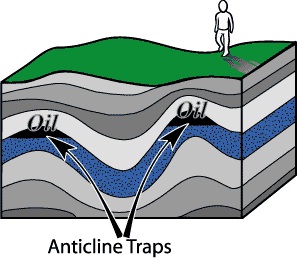
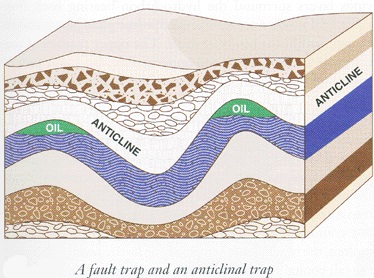
    1) Anticline Traps:
    Sedimentary beds are generally deposited in horizontal parallel planes over a geographic region, so that many of these sediments will be of essentially uniform thickness over This trap may exist as a simple fold or as an anticlinal dome.that region. If geologic activity should occur, resulting in the folding of these sediments, the result may be the formation of hydrocarbon reservoirs in anticlinal traps. Two major potential advantages of the anticlinal trap reservoir are the simplicity of the geology and the potential size of the trap and therefore of the hydrocarbon accumulation. The high part of the fold is the anticline, and the low part of the fold is the syncline. Since the hydrocarbons are the less dense of the subsurface fluids, they will tend to migrate to the high part of the fold. Consider the hydrocarbon reservoir illustrated in Figure 18. Hydrocarbon reservoir rock,where shale is the cap rock formation of this hydrocarbon reservoir. Sedimentary beds are deposited in a water environment, as indicated by the presence of limestone’s and shale’s. During or after lithification, geologic activity causes folding of the sediments. After folding and lithification, the sandstone has a 100% connate water saturation. Millions of years later, hydrocarbon generated in source rock down elevation from this anticlinal fold is forced from its source rock into the water-saturated, permeable sandstone. Since hydrocarbon is less dense than the water, it begins to migrate up elevation, displacing the heavier water down elevation. As it migrates upward, pressure decreases. At some point in this migration, the reservoir fluid pressure might equal the bubble point pressure of the original hydrocarbon combination. From this point upward, gas is being released from the hydrocarbon. Since the gas is so much less dense than the oil or the water, it will migrate more rapidly toward the top of the anticlinal trap. This process of migration and fluid separation according to density may continue over millions of years in geologic time, until finally, equilibrium is achieved as the hydrocarbon fluids accumulate within the trap formed by the impermeable shale cap rock When this condition of equilibrium is finally achieved, there will be a gas zone (gas cap) on top of an oil zone and then a water zone beneath the oil zone.
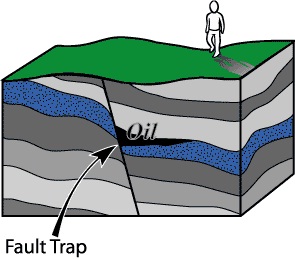
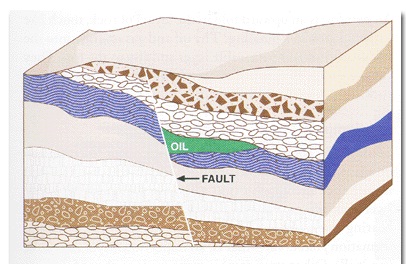
    2) Fault Traps :
    Fault implies fracturing of rock and relative motion across the fracture surface. Consider a possible sequence of geologic events that, in geologic time, . Sedimentary beds are deposited in a water environment, as indicated by the presence of shale’s and limestone’s. During or after lithification,geologic events result in uplift of these original horizontal sediments, and fracturing and tilting above sea level, so that the surface rocks are exposed to erosion. During uplift, the rocks are fractured and slippage occurs along the fault plane.This brings the shale across the fault so that it seals the tilted sandstone below the fault. Millions of years later, hydrocarbon generated in its source rock down elevation from the fault is forced into the connate water-saturated sandstone. Since the hydrocarbon is less dense than the water, it will migrate up elevation, displacing the heavier water down elevation. This upward migration will continue until it reaches the fault and is trapped by the impermeable shale. If the faulting had not occurred, the hydrocarbon would have continued to migrate upward until it was dissipated at the surface into the environment. Since faulting occurred, the shale provides the necessary seal, resulting in the existence of the hydrocarbon reservoir.Notice that, in this example, if slippage had occurred to a greater extent, there would have been flow into the permeable sandstone above the fault. The hydrocarbon would have been lost to the surface, and no reservoir would have been formed.This situation illustrates the significance of geologic probability.
    What is the probability that the relative motion across the fault would have resulted in a reservoir seal being formed?Geologic events must occur in the proper sequence, resulting in the proper geologic conditions for a reservoir to exist. The North Sea hydrocarbon environment is an excellent example of the
    significance of this geologic probability. Of the hydrocarbon generated in the source rock of the North Sea, it is estimated that less than 10% was trapped. Over 90% of the hydrocarbon was lost back to the surface in geologic time and dissipated into the environment because traps were not present. Fault traps leading to the presence of hydrocarbon reservoirs are often difficult to define because of the complexity of the geology.

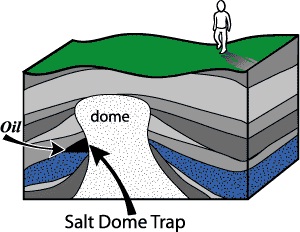
    3) Salt Dome Traps:
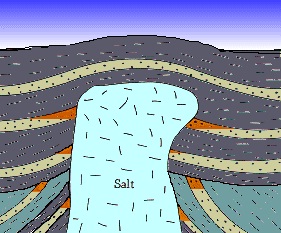
    Consider the salt dome geologic system illustrated in Figure and a possible sequence of geologic events that could lead to the formation of this salt dome environment. A major portion of a continental plate was below sea level at a point in geologic history. Due to geologic events, this region rose above sea level, trapping inland a salt water sea. As geologic time passed,the climate changed to a desert environment. This event could have resulted from movement of the continental plate near tothe equator. In this arid desert environment, water evaporated from the salt water sea, leaving the salt residue on the dry seabed. As millions of years passed in the desert environment,sand blew over the salt to cover and protect the salt sediment.Later geologic events resulted in the sinking of the region below sea level, followed by tens of millions of years of sedimentation in the resulting water environment. As time passed, lithification occurred. The desert sand became sandstone, and the salt became rock salt (sedimentary salt).
    After lithification, this salt bed was impermeable. It also had two properties significantly different from typical shale, sandstone or limestone:
    • It was less dense, with a measurably smaller specific weight.
    • At subsurface overburden pressures and subsurface
    temperatures, the rock salt was a plastic solid (it was highly deformable).
    The combination of this lesser density and plasticity resulted in a buoyant effect if flow possibilities existed. Geologic events caused fracturing of overlying confining rocks. The salt, forced upward by the overburden pressures, began to flow plastically back to the surface, intruding into the overlying rock structures
    to lift, deform, and fracture them. The intruding salt was solid,yet geologically deformable. It might intrude at an average rate of only 1 inch per 100 years, yet on a geologic time basis, such deformation is highly significant. This rate would result in 10inches in 1,000 years, or 10,000 inches (833 ft) in 1 million years. In a geologic time period of only 10 million years, this salt dome could intrude to a height of over 1.5 mileoverlying structures. Obviously, a vertical subsurface structure1.5 miles high is geologically significant. Since the salt isimpermeable, the region around the perimeter of the salt domeis an ideal geologic environment for hydrocarbon traps. The tendency of the intruding salt to uplift the rocks as it intrudesenhances the separation of the less dense oil from the more dense salt water by reducing the area of the oil-water contact.The fracturing of surrounding rocks due to the intruding salt and the lifting of the rocks above the salt dome also provide an environment for the existence of fault traps and anticlinal traps in addition to the salt dome traps around the perimeter of the
    dome. A salt dome region, therefore, is an excellent geologic environment for all three types of traps discussed so far.An excellent example of a salt dome trap is Spindle top near Beaumont, Texas. The first major discovery and resultant initial oil boom at Spindle top occurred in 1901. Through the 1890s Patillo Higgins had promoted drilling for oil outside Beaumont.He concluded that it was an excellent geologic environment for hydrocarbon reservoirs, because he noted a location near Beaumont where the surface elevation was 15 ft higher than the surrounding land. This rise was a circle approximately 1 mile in diameter. He concluded that this indicated high points in the underlying geology. In 1901, Captain Anthony Lucas drilled a wildcat well at this location, resulting in the Spindle top discovery. Future drilling confirmed that this reservoir existed as an anticlinal dome trap, with the dome created by the uplift of overlying rocks by an intruding salt dome in the subsurface,creating the surface indication of what the subsurface geology might be.The second oil boom at Spindle top began in the mid-1920s.
    When further wells were drilled, it was discovered that fault trap and salt dome trap reservoirs existed around the circumference of the salt dome. The drilling pattern for the wells drilled during this later activity was almost a perfect circle as these circumferential reservoirs were developed.
    stratigraphic trap:
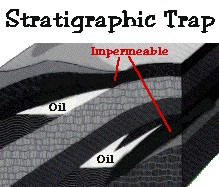
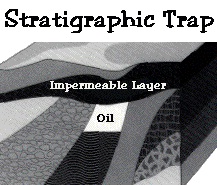
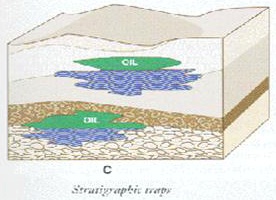
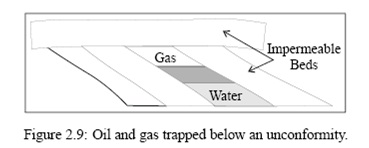
    The stratigraphic trap is a change in the lithology of the rock sequence. This change is caused by erosional forces or changes in rock type within a limited areal extent. An unconformity is an erosional feature where a portion of the geological sequence is eroded and an impermeable rock is deposited on top of a porous formation. The process of erosion will enhance or create the porosity and permeability necessary for the existence of a petroleum reservoir. Other stratigraphic trapping include channel sand deposits surrounded by shale, growth of limestone reefs and the formation of barrier islands or sand bars along the ancient shoreline.

    Classification of stratigraphic trap:
    -Primary Stratigraphic Traps:
    These traps result from deposition of elastic or chemical materials. Shoestring sands, lenses, sand -----es, bars, channel fillings, facies changes, strand-line (shoreline) deposits, coquinas, and weathered or reworked igneous materials are classified as elastic sedimentary deposits and can result in stratigraphic traps. An ancient sand-filled stream channel meander has cut into older south-dipping shales and created a perfect stratigraphic trap.
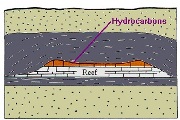
    The shale plug served as the seal for reservoirs within a west-plunging structural nose. Hydrocarbons are trapped in the truncated up dip portions of the reservoirs. Organic reefs or biohenns and biostromes are the primary chemical stratigmphic traps; they are built by organisms and are foreign bodies to the surrounding deposits .The Strawn and Cisco-Canyon series are limestone reefs that have had younger
    the seal. Differential compaction of the thicker shales on the Type of stratigraphic trap : flanks of the reef as compared with the thinner shale at the crest has created structural closure in younger overlying formations. Hydrocarbon accumulations have occurred in the Cisco and Fuller formations as a result of this differential compaction. Additional traps in other reservoirs arc the result of up dip permeability and porosity barriers and are either primary or secondary stratigraphic traps.
    Secondary Stratigraphic Traps:
    Traps of this type were formed after the deposition of the reservoir rock by erosion and/or alteration of a portion of the reservoir rock through solution or chemical replacement. Secondary tratigmphic traps actually should fall into the combination-trap classification because most are associated with or are the result of structural relief during some stage of development of porosity and permeability or limitation of the reservoir rock. However, many of the so-called typical “stratigraphic traps” fall into this category, and it is felt that it would be impossible tochange the historical usage of this term. Therefore, secondary stratigraphic traps are defined for this discussion as those traps created after deposition and having limitations caused by lithology changes.
    Erosion creates a major part of these through truncation of the reservoir rock. On-lap deposition (when the water is encroaching landward), off-lap deposition (when the water is regressing), and the chemical alteration of limestone result in many secondary stratigraphic traps) It is a truncation of the Woodbine formation as it approaches the regional Sabine uplift. A certain amount of leaching of the cementing material by waters over the unconformity has resulted in increased porosity and permeability in the field as compared with similar Woodbine sands in the deeper portions of the East Texas basin.


  4.    Sponsored Links


    -

  5. #3

    Petroleum Traps 2


    Examples of Stratigraphic Traps:
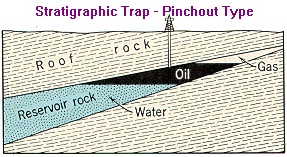
    1)pinchout:
    are the result of the changes in deposition of the sediment. Thick layers of mud are covered by thinner layers of sand from migrating shoreline, or by the sand deposited by large rivers. As sea level changes, or rivers migrate, the different sand and mud layers are interwoven creating lenses or pinch-outs. These sand layers allow the petroleum to accumulate and the mud rock layers trap the petroleum. can create traps by burying truncated sandstone or limestone layers with layers of mudstone.
    2) Carbonate Reef:
    are great places to trap oil. The open cavities between the corals create excellent reservoirs, and when the reef is buried by mud, the oil becomes trapped. Many of the large oil and gas fields in west Texas are found in buried age reef.
    3)Sandstone Lens:
    Lenses - Layers of sand often form lens like bodies that pinch out. If the rocks surrounding these lenses of sand are impermeable and deformation has produced inclined strata, oil and natural gas can migrate into the sand bodies and will be trapped by the impermeable rocks. This kind of trap is also difficult to locate from the surface, and requires subsurface exploration techniques.
    4) Faces Change:
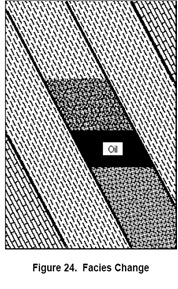
    Consider the deposition near a shoreline of a continent, as distance from the shoreline increases. From the shoreline out into the body of water, the particle size decreases from gravel to pebbles, to sand, to silt, to mud. When lithification occurs, the silt-to-mud size particles, form shale. Therefore, in the same sedimentary bed, as distance from the original shoreline increases, the rock grades from sandstone, through a transition zone, to shale. Assume that, after lithification, with further sediments having been deposited on this original sediment, a geologic event results in uplift and tilting of this sediment, so that the shale is “up dip” from the sandstone, as illustrated in Figure 24. The dip of a bed is the angle its plain makes with the horizontal.
    Later in geologic time, hydrocarbon generated in its source rock at lower elevations is forced into the connate water-saturated sandstone and begins to migrate up elevation, displacing the heavier water down elevation. This hydrocarbon will continue to migrate until it encounters the impermeable shale at the transition zone within the rock. It is trapped as a result of the change of permeability within the sedimentary bed, as the transition occurs from sandstone to shale or from permeability to no permeability. This transition of properties within the rock sediment is called a facies change.
    Through the transition zone, the transition occurs from sandstone to shaley sandstone, to sandy shale, to shale. As to the distinction between”shaley sand” and”sandy shale,” as long as the rock has sufficient porosity and permeability to be considered an acceptable reservoir rock, it is classified as sandstone. However, when either property has reduced sufficiently within the transition zone so that the rock can no
    longer be considered an acceptable reservoir rock, it is considered shale.
    Combination Traps:
    Combination traps are structural closures or deformations in which the reservoir rock covers only part of the structure. Both structural and stratigraphic changes are essential to the creation of this type of trap. Traps of this nature are dependent on stratigraphic changes to limit permeability and structure to create closure and complete the trap. Up dip shale-outs, strand-lines, and facies changes on anticlines, domes, or other structural features causing dip of the reservoir rock create many combination traps. Unconformities, overlap of porous rocks, and truncation are equally important in forming combination
    traps. Faulting is also a controlling factor in many of these traps. Asphalt seals and other secondary plugging agents may assist in creating traps.
    Examples of Combination traps:
    1)Traps Associated with salt domes:
    A salt dome is a mass of NaCl (Sodium Chloride) generally of a cylindrical shape and with a diameter of about 2 km near the surface, though the size and shape of the dome can vary. This mass of salt has between pushed upward from below through the surrounding rock and sediments into its present position. The source of the salt lies as a deeply buried layer that was formed in the geologic past. Salt is an evaporate. Salt beds were formed by the natural evaporation of sea water from an enclosed basin; in Louisiana, this occurred in Permian or Jurassic time. Subsequently, the precipitated salt layer is buried by successive layers of sediments over geologic time until segments of it begin to flow upward
    toward the surface of the earth .The origin of salt domes is best explained by the plastic-flow theory. Salt has a density of 2.2 under standard conditions. But at a depth of about 12,000 feet, the mass of the overlying sediments exerts a compressive, downward force, density decreases and salt begins to flow like a plastic substance. A small fracture in the overlying, higher density sediments or a slightly elevated mass of salt above its surroundings would trigger the upward movement. Once this upward salt movement begins, salt from elsewhere in the salt bed moves into the region surrounding the salt plug to replace the salt that is flowing upward to form the salt plug. The upward movement of the salt plug, or dome, continues as long as there is sufficient source of salt "feeding" the dome OR until the upward movement is halted by a more rigid formation. Once equilibrium is reached, upward movement of the salt dome ceases, but may begin again if sufficient sediments are added to the weight of the overburden which again increases the load pressure on the parent salt mass. In Louisiana, the age of the salt domes is dependent upon which side of the Cretaceous reef structure you are on. The domes are oldest on the north side and youngest on the south side. This also corresponds to the age of the hydrocarbon deposits discussed earlier.
    2) Unconformity
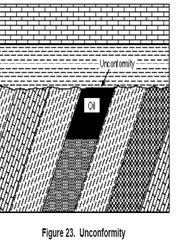
    Consider the sequence of geologic events summarized in Figure 23. Sedimentation occurs over millions of years in a water environment, resulting in horizontal, parallel, sedimentary beds. Lithification occurs, followed by uplift and tilting above sea level. As a result of being uplifted above sea level, erosion occurs over millions of years, removing rocks down to an erosionalsurface, or unconformity. Following erosion, the region subsides again below sea level and is followed by millions of years of sedimentation in a water environment. After lithification, the first sediment on top of the unconformity is impermeable shale. The unconformity represents a discontinuity in the geologic system, because there is a geologic time discontinuity between the rocks above the unconformity and those below it. Millions of years after this sequence of events, hydrocarbon that is generated in source rock at lower elevations is forced into the connate water-saturated sandstone. Due to its lesser density, it migrates upward through the permeable sandstone, displacing the heavier water down elevation. When the hydrocarbon reaches the unconformity, it is trapped. This trap is a stratigraphic trap, and this particular type of stratigraphic trap is referred to as an unconformity, or “truncation.” The specific type of unconformity illustrated here is an angular unconformity.
    Notice that the hydrocarbon trap would not have existed had thefirst sedimentary bed above the unconformity not been impermeable after lithification. Again, the proper sequence of geologic events was necessary in order for the trap to exist.
    3)Other Traps:
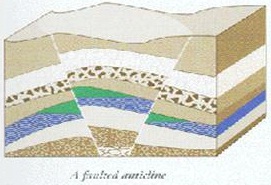
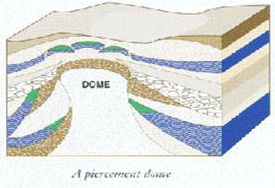
    Many other traps occur. In a combination trap, for example, more than one kind of trap forms a reservoir. A faulted anticline is an example. Several faults cut across the anticline. In some places, the faults trap oil and gas (fig- ). Another trap is a pier cement dome. In this case, a molten substance-salt is a common one-pierced surrounding rock beds. While molten, the moving salt deformed the horizontal beds. Later, the salt cooled and solidified and some of the deformed beds trapped oil and gas (fig-). Spindle top was formed by a pier cement dome.
    Lenticular Traps:
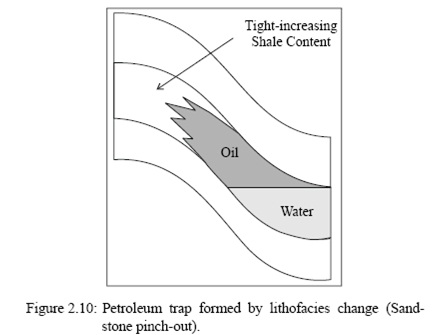
    Oil and gas may accumulate in traps formed by the bodies of porous lithofacies (rock types) embedded in impermeable lithofacies, or by the pinch-outs of porous lithofacies within impermeable ones, as seen in Fig. 2.10.
    Examples of such lenticular traps include: fluvial sandstone bodies embedded in flood basin mud rocks, deltaic or mouth-bar sandstone wedges pinching out within offshore mud rocks, and turbid tic sandstone lobes embedded in deep marine mud rocks. Similar traps occur in various
    limestones, where their porous lithofacies (e.g. oolithic limestone or other calcarenites) areembedded in impermeable massive lithofacies; or where porous bioclastic reefal limestones pinch out in marls or in mud rocks.
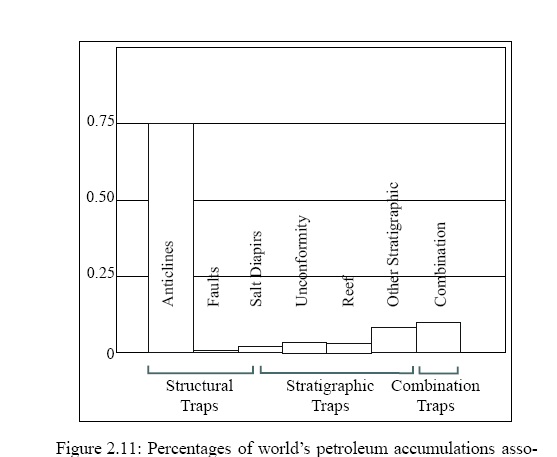
    The approximate percentages of the world’s petroleum reservoirs associated with those major trap types are given in Fig. 2.11.
    On of the present-day Earth’s surface, over half of the continental areas and adjacent marine shelves have sediment covers either absent or too thin to make prospects for petroleum accumulation. Even in an area where the buried organic matter can mature, not all of it results in petroleum accumulations. The following statistical data may serve as a fairly realistic illustration [49]:
    • Only 1% by vol. of a source rock is organic matter,
    • < 30% by vol. of organic matter matured to petroleum,
    • > 70% by vol. of organic matter remains as residue and
    • 99% by vol. of petroleum is dispersed or lost at the ground surface in the process of
    migration, and only 1% by vol. is trapped.
    These data lead to the following estimate: only 0.003 vol.% of the world’s source rocks actually turn into petroleum that can be trapped and thus generate our petroleum resources
    What is the difference between each of the three trap types in terms of how they were formed?
    Answer: A Structural trap is formed by tectonic processes AFTER deposition of the reservoir beds involved while a Stratigraphic trap is created during deposition of the reservoir beds. A Combination trap is formed by a combination of processes present in the sediments DURING the time of deposition of the reservoir beds AND by tectonic activity that occurred in the reservoir beds after their deposition.

Similar Threads

  1. ÇáÊÂßá Ýí ÇáãäÔÂÊ ÇáäÝØíÉ - Ì1
    By Esam in forum ÇáÑßä ÇáÚÑÈí ááÈÊÑæá æÇáÊÚÏíä
    Replies: 0
    Last Post: 06-30-2012, 09:22 PM
  2. ÇáÊÂßá Ýí ÇáãäÔÂÊ ÇáäÝØíÉ - Ì2
    By Esam in forum ÇáÑßä ÇáÚÑÈí ááÈÊÑæá æÇáÊÚÏíä
    Replies: 0
    Last Post: 06-30-2012, 09:16 PM
  3. ÇáãßÇãä ÇáäÝØíÉ æÇáÛÇÒíÉ
    By Esam in forum ÇáÑßä ÇáÚÑÈí ááÈÊÑæá æÇáÊÚÏíä
    Replies: 0
    Last Post: 06-29-2012, 12:27 AM
  4. ÇáãæÇÏ ÇáßíãíÇæíÉ ÇáãÓÊÚãáÉ Ýí ÍÝÑ ÇáÂÈÇÑ ÇáäÝØíÉ
    By Esam in forum ÇáÑßä ÇáÚÑÈí ááÈÊÑæá æÇáÊÚÏíä
    Replies: 0
    Last Post: 06-29-2012, 12:20 AM
  5. ÇáÍÑÇÆÞ æ ÇáÇäÝÌÇÑÇÊ Ýí ÇáãäÔÂÊ ÇáäÝØíÉ
    By Mohamed in forum ÇáÑßä ÇáÚÑÈí ááÈÊÑæá æÇáÊÚÏíä
    Replies: 1
    Last Post: 03-13-2011, 06:02 AM

Tags for this Thread

Bookmarks

Posting Permissions

  • You may not post new threads
  • You may not post replies
  • You may not post attachments
  • You may not edit your posts
  •  
1 2 3 4 5 6 7 8 9 10 11 12 13 14 15 16 17 18 19 20 21 22 23 24 25 26 27 28 29 30 31 32 33 34 35 36 37 38 39 40